
Storm
What to do after a hailstorm in the Twin Cities.
Start with safety, document what you can see from the ground, and request a roof-first inspection before making repair decisions.
01
Do not start on the roof
After hail, the safest first move is ground-level documentation. Take photos of hail size, gutters, downspouts, siding, loose shingles, and interior leaks without climbing.
Write down the storm date or approximate time window
Protect active leaks if safe to do so
Request a roof-first inspection
02
Why roof-first matters
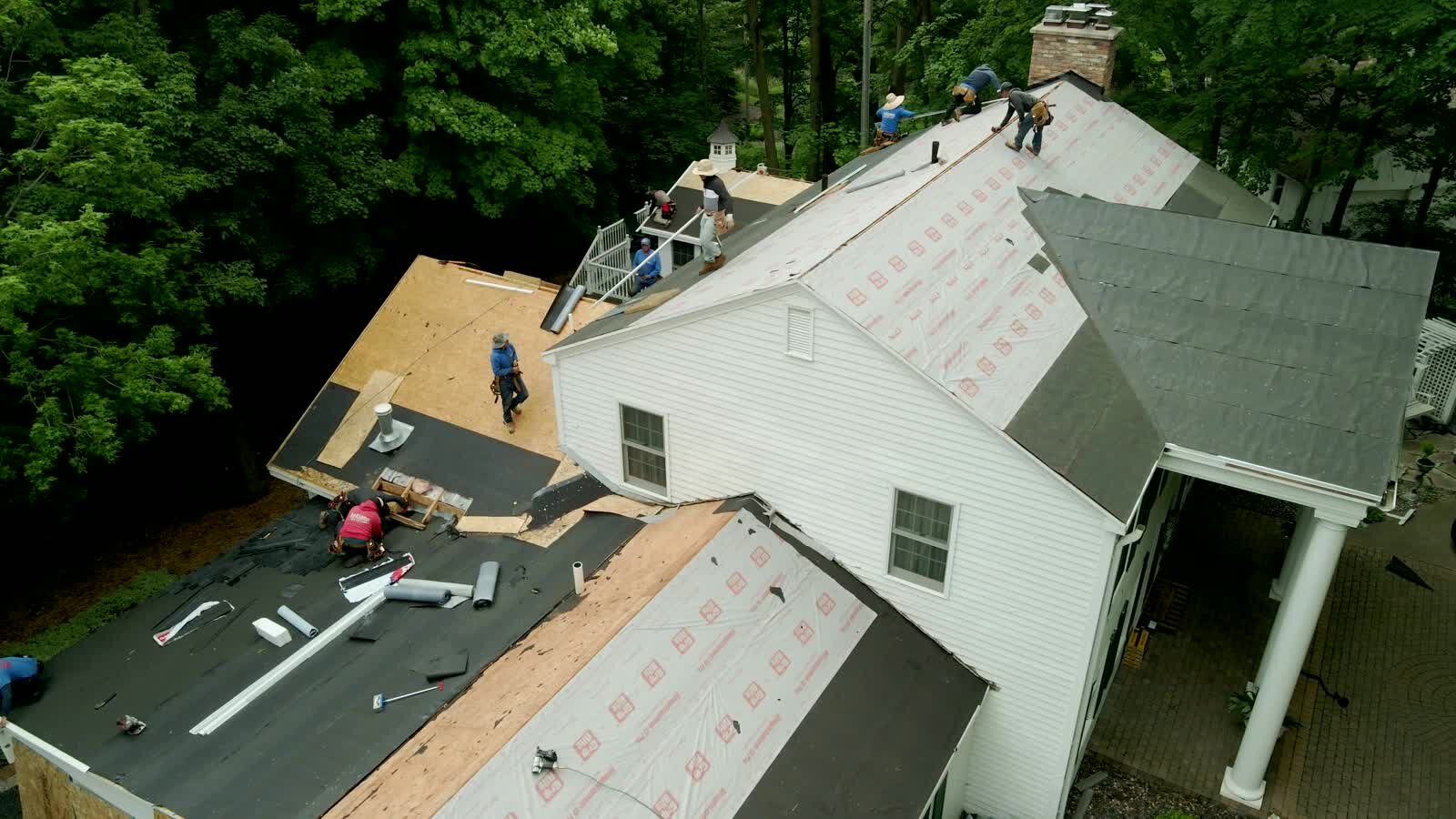
The roof is usually the largest risk surface after a storm. A contractor can review roof planes, vents, flashing, soft metal, gutters, siding, and water-entry signals before repair decisions are made.
Questions
Quick answers.
How soon should I request an inspection?
As soon as the property is safe and the storm has passed, especially if you see leaks, loose shingles, gutter dents, or siding impact.
Related
Related guides.
Insurance support
A contractor inspection does not decide coverage, but it can make the visible roof and exterior conditions easier to understand.
Insurance supportSmart Construction's lane is contractor-side documentation and restoration, not claim representation or approval guarantees.
StormDented soft metal can help confirm storm patterns and should be inspected with the roof, not as an afterthought.