
Checklist
Storm damage insurance checklist for homeowners.
What to collect before the inspection, what we'll cover during the adjuster meeting, and what to confirm before restoration work begins.
01
Before the contractor inspection
Do not walk the roof. Start by collecting safe ground-level observations and interior symptoms.
Photos of hail, downed branches, loose shingles, gutter dents, or siding impact
Photos of interior ceiling stains or active leaks
Carrier claim number if one already exists
02
During the inspection
The contractor should inspect the roof and connected exterior surfaces that may help explain the overall damage pattern.
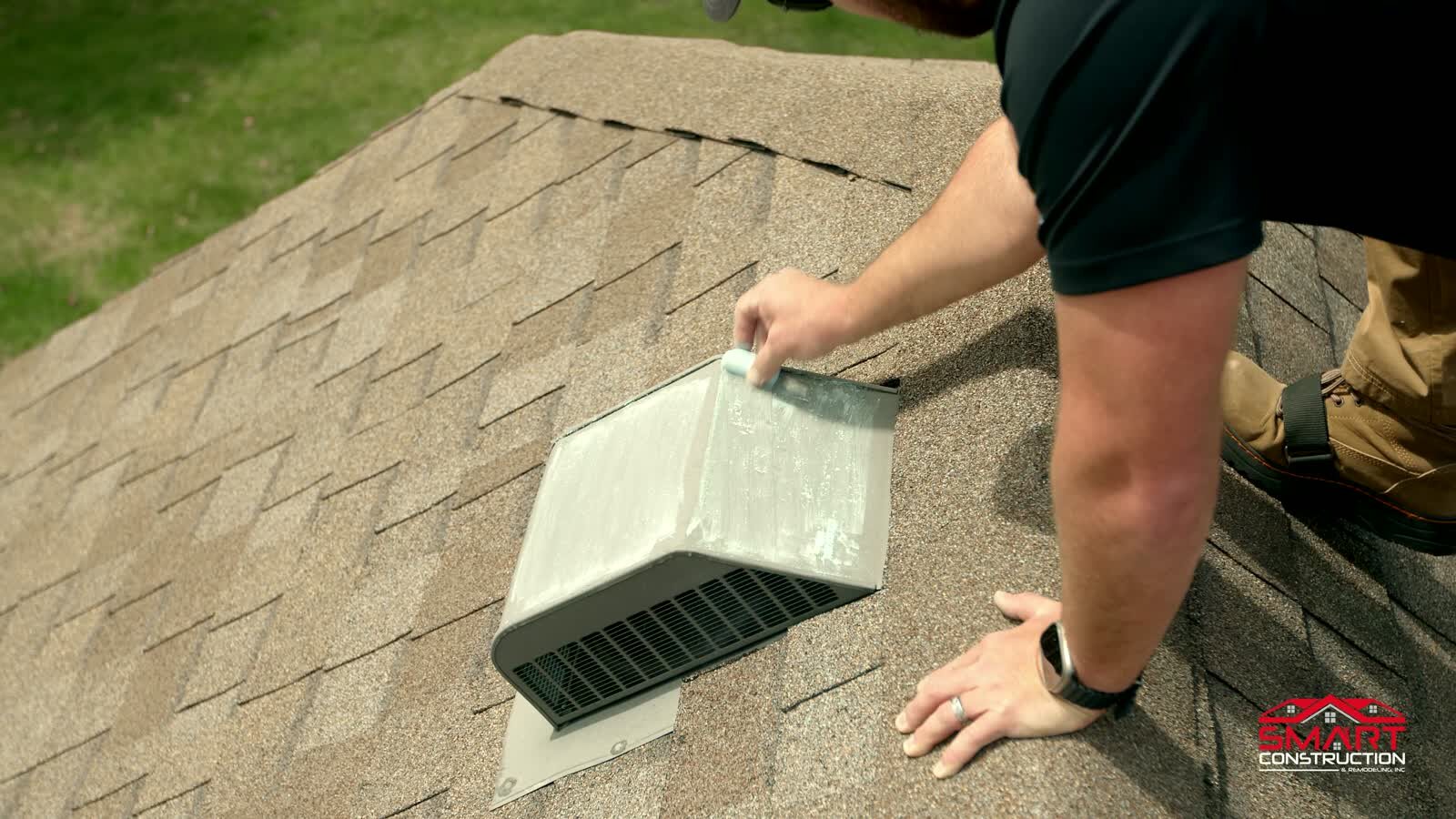
Roof planes, ridge, vents, flashing, and penetrations
Gutters, downspouts, fascia, and other soft metal
Siding elevations, windows, trim, and water-entry points
Emergency tarping or leak-control needs if active water is present
03
Before work starts
The homeowner should understand the written scope, project sequence, materials, warranty paperwork, and payment responsibilities before signing.
Written estimate or scope
Material and color selections
Schedule and access requirements
Warranty and closeout records that apply to the specific job
Questions
Common questions.
Should I call insurance before a contractor?
Many homeowners do both, but a contractor inspection can help document visible damage and clarify what should be reviewed.
What photos should I take?
Take safe ground-level photos, interior leak photos, and any visible exterior damage. Do not climb onto the roof for photos.
Get started
Ready to book your roof inspection?
Call (612) 260-5267 or send your inspection request and our team will follow up as soon as practical.
Book Service