

01
Granules in gutters
Hail can loosen shingle granules before roof damage is visible from the ground.
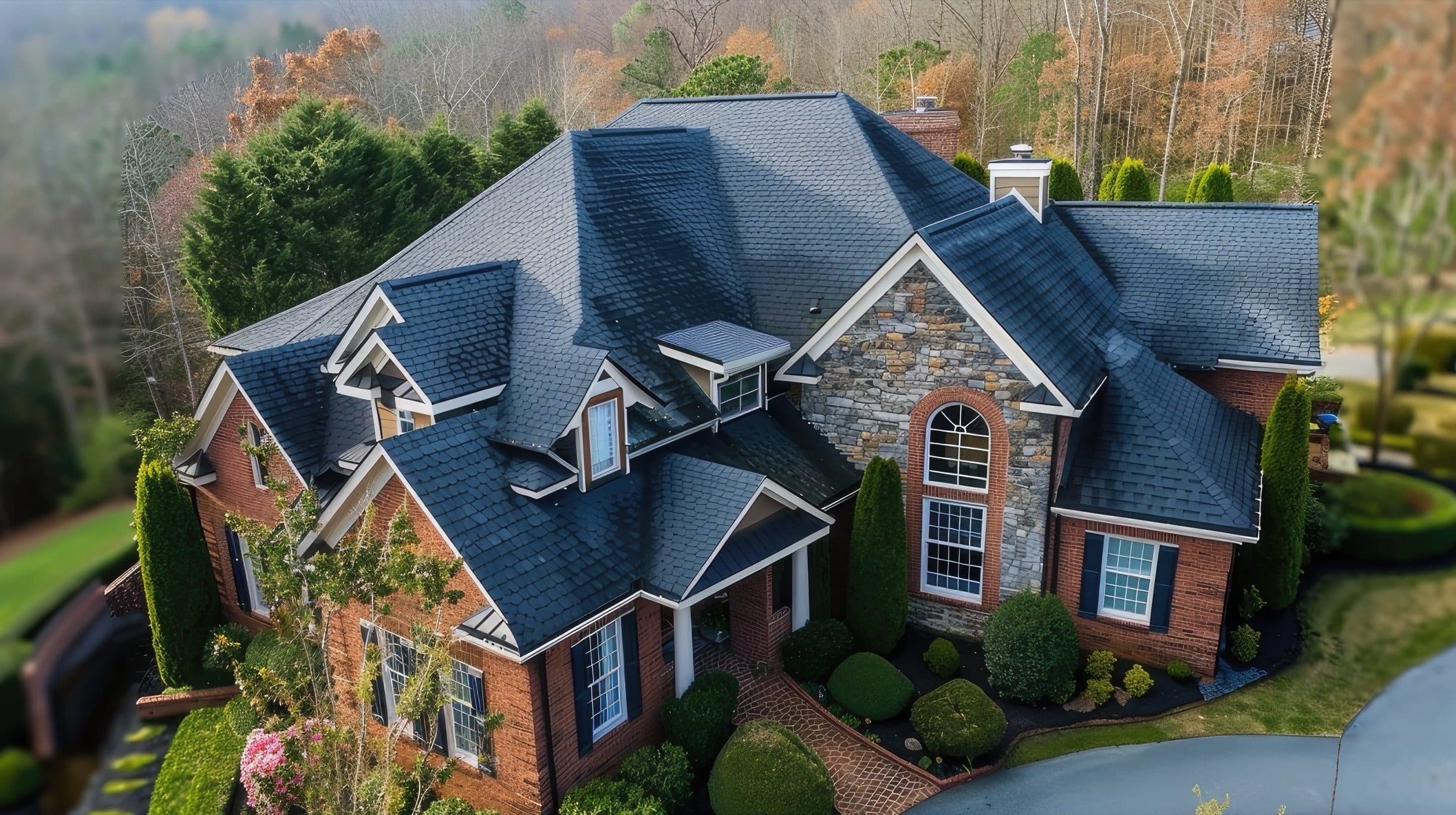
Roof inspection, contractor-side insurance paperwork support, and a documented path from damage to a finished roof.
This map is a Smart Construction response-routing layer, not a live weather feed. Insurance outcomes are determined by the carrier and policy, and Smart Construction supports the homeowner from inspection through documentation, paperwork support, and roof repair or replacement planning.
Most hail and wind damage is easy to miss from the yard. These are the signals that deserve a roof inspection (drone where conditions allow), written evidence package, and clear next steps.
Hail can loosen shingle granules before roof damage is visible from the ground.

Soft metal dents often show storm impact patterns before shingles tell the full story.

Wind can break the seal, expose decking, and create leak risk after the next rain.

Interior water marks after a storm should be documented before repairs hide evidence.
Not sure what you are seeing? Get the roof documented before the claim process starts.
Start roof recoveryThe report is only the first step. The real value is the full contractor-side path: inspect the roof, document the damage, support the insurance-side paperwork, build the approved scope, and close out the roof properly.
Roof photos (drone where conditions allow), exterior damage notes, and a plain-English summary of what appears storm-related.
We help organize contractor documentation, scope notes, photos, and next-step questions for your carrier process.
When appropriate, we can meet during the inspection, explain contractor findings, and compare the scope to visible roof conditions.
Once the repair or replacement scope is clear, we line up materials, schedule, crew expectations, and homeowner communication.
The roof is repaired or replaced, cleanup is completed, and closeout documents are gathered for your records.


Roof plane photos
Hail and wind indicators
Soft-metal damage notes
Gutters, vents, flashing, siding
Repair vs. replacement path
Next paperwork steps
The package walks you from inspection evidence to paperwork support and into the roof repair or replacement scope. Exact contents depend on what the inspection finds and what the approved scope requires.
Actual roof, hail, siding, and local project footage gives homeowners a clear look at the field process before requesting an inspection.
Hail and roof storm damage captured during an inspection, with examples of the kind of evidence a homeowner can use after a storm.
Smart Construction crews actively replacing a Twin Cities roof — materials, sequence, and job-site flow on a real project.
Siding work after a storm — useful if you noticed siding damage alongside roof, gutter, or window impact.
After a storm, the roof tells you the most. We start there because gutter, siding, and window damage almost always trace back to the same event — and the roof is where the urgency lives.
Minnesota Residential Building Contractor, active license on file with the Minnesota Department of Labor & Industry.
General liability insurance certificate on file with our office.
Workers compensation insurance certificate on file with our office.
EPA Lead Renovator certification on file for crews working on pre-1978 homes.
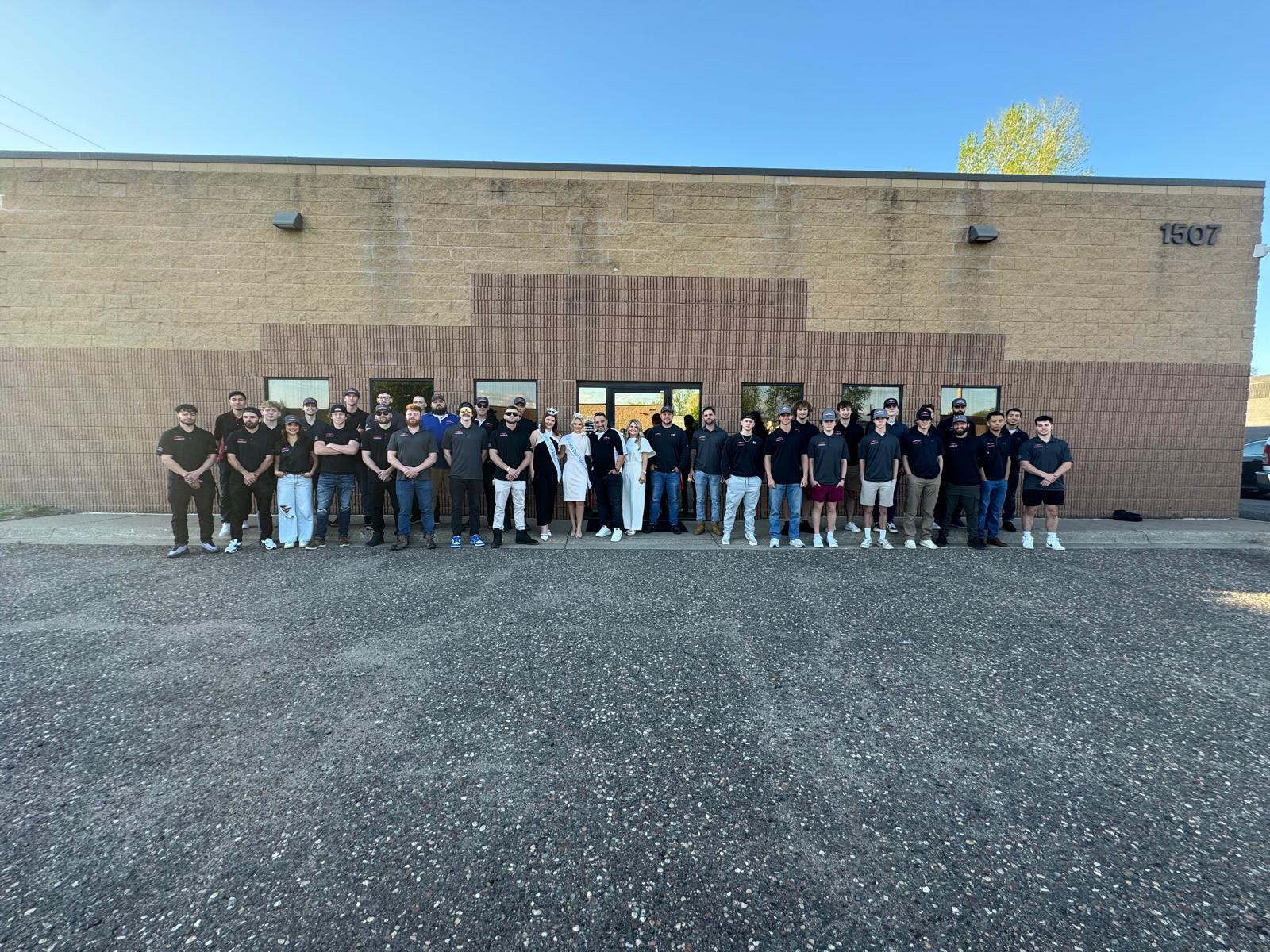
Smart Construction & Remodeling operates from Blaine with a practical promise: document the condition, explain the scope, and keep the homeowner from feeling lost between inspection, paperwork, and the finished build.
We start with the roof because storm damage almost always begins there. Siding, gutters, windows, and exterior envelope work follow the same documented sequence so the most urgent repair happens first and the rest is folded in cleanly.
Paperwork, project scope, and homeowner communication get the same care as the craftsmanship. Every project comes with our Minnesota Residential Building Contractor license BC636873, general liability and workers' compensation certificates, and the written warranty terms that apply to your specific job.
Most hail damage isn't visible from the ground. Look for granules in your gutters, dings on your gutter tops, or fresh dents on metal vents. The honest answer: request a roof inspection and we'll show you exactly what we find.
We provide contractor-side documentation, can attend inspections when appropriate, and help clarify roof scope and paperwork questions. Your carrier and policy determine coverage and approval.
Most single-family roofs: one to two days of installation, plus material delivery and inspection scheduling. From your call to the day we leave: usually two to three weeks during peak season, faster in the off-season.
We work with Hearth and Synchrony Bank for project financing — typically 6, 12, or 60-month terms. Rates, fees, and APR vary by lender, applicant credit, and product; representative APR examples and full terms are available on request from the lender. Most homeowners receive a preliminary decision in minutes. We'll walk you through the options when we deliver your estimate. See each lender for full disclosures.
Warranty terms depend on the signed project scope and installed materials. Before work starts, we'll show you the written workmanship terms and any manufacturer coverage that applies.
Roof scan where conditions allow, exterior walk-through (siding, gutters, windows, fascia, soffit), and a written damage package with photos and next steps.
A re-roof includes written workmanship terms and manufacturer coverage based on the selected material. We review those documents before you approve the work.
Twin Cities Metro coverage from our Blaine office: Blaine, Minneapolis, St Paul, Coon Rapids, Fridley, Andover, Ham Lake, Brooklyn Park, Maple Grove, Plymouth, Minnetonka, Bloomington, Eden Prairie, Eagan, Woodbury, Lakeville, Burnsville, Apple Valley. Outside that radius? Call us anyway — we may have a partner contractor we trust.
Get the inspection, evidence package, insurance-side paperwork support, build plan, and roof restoration from one local Twin Cities team.